
Materials&Books
Start learning today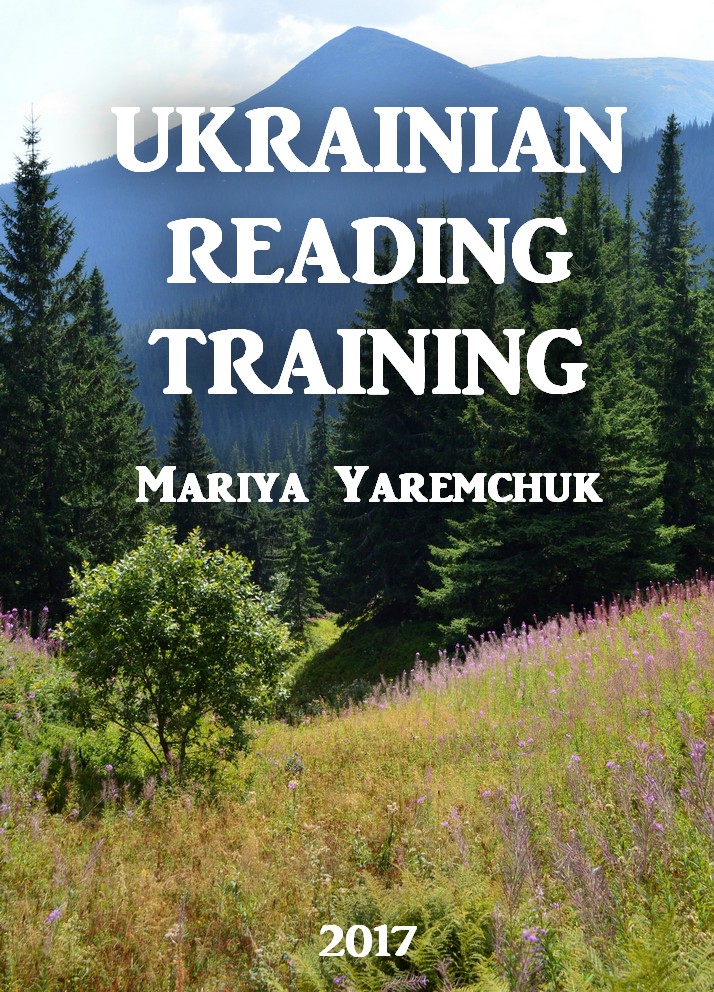
Start learning with the most important and necessary basics – READING!
Learn to read and pronounce with
UKRAINIAN READING TRAINING
“Ukrainian Reading Training” is a meticulously crafted textbook designed to provide learners with a comprehensive foundation in reading and comprehending the Ukrainian language. This textbook serves as an essential tool for complete beginner and beginner learners who seek to get and develop a strong grasp of Ukrainian reading skills.
Key Features:
-
Progressive Learning Approach: The textbook follows a progressive learning approach, starting with the basics of the Ukrainian alphabet and gradually advancing to more complex reading exercises. Each excercise is carefully structured to build upon the knowledge gained in previous sections, ensuring a smooth and effective learning experience.
-
Effective Reading and Pronounciation Exercises: To provide learners with the best and fastest result I used the easiest, simple words with all the existing sounds and their combinations. This will give you a strong and profound reading and pronounciation skill.
3. Easy and logical Activities: “Ukrainian Reading Training” is based on interactive logically structured exercises and activities that encourage active engagement, reinforce comprehension, and naturally form the reading skill .
4. Supplementary Audio Resources: To facilitate pronunciation and listening comprehension, the textbook is accompanied by a necessary audio part. Learners have access to audio recordings of each reading passage, allowing them to practice listening, reading, comprehension of Ukrainian while following along with the text.
“Ukrainian Reading Training” is an indispensable first step for anyone seeking to learn, understand, use and love our wonderful language – Ukrainian.
You can download the audio part for Ukrainian Reading Training here:
Or HERE:
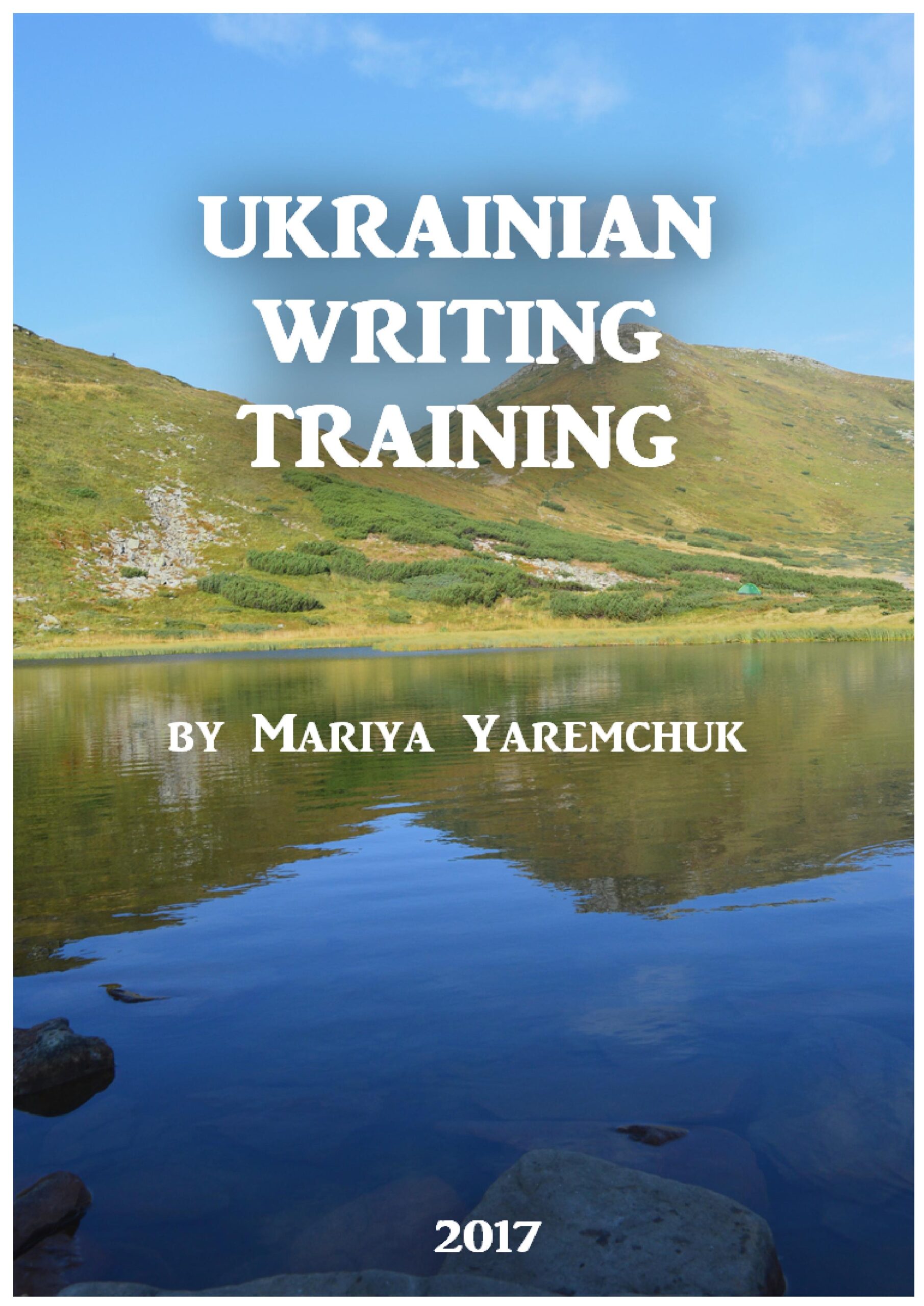
Learn Ukrainian Writing-Cursive easy and Fast with
Ukrainian Writing Training!!!
Ukrainians never write with printed letters. Being children we all learn cursive at school, and in fact, it’s very easy and useful. Handwriting also has many benefits and advantages.
**1. Cognitive Enhancement&active brain
**2. Enhanced Learning and memory
*3. Boosting Creativity and creative potential
**4. Improved Concentration
**5. Personal Connection&relaxation
**6. Art of Penmanship
**7. Timeless Skill
**8. Historical and Cultural Significance
LISTEN and LEARN!
The easiest and simplest way to learn and form important language skills!!!
The Power of Sound: Enhancing Word Recognition, Memory, and Passive Vocabulary in Foreign Language Learning

Such an easy, simple, and almost passive activity is very useful and effective for the learners and should be definitely used as a necessary, additional component for successful learning for all the levels of knowledge, including complete beginners, because to make it beneficial you actually don’t have to understand it, just listen!. To get good results you should listen to the audio materials at least 20-30 minutes a day, and you can do it along with doing your own things: having rest, cooking, cleaning, driving, painting\drawing etc😊
In the ever-evolving landscape of language acquisition, the role of auditory learning through the use of audios and radio broadcasts has emerged as a potent tool for improving word recognition, memory retention, and passive vocabulary acquisition. By immersing oneself in the auditory dimensions of a foreign language, learners can unlock a plethora of cognitive benefits that significantly augment their language proficiency. Let’s explore how this dynamic practice positively impacts the language learning journey.
**1. Word Recognition and Phonetics:
Listening to audios and radio broadcasts exposes learners to the natural cadence and pronunciation of words in a foreign language. This auditory immersion aids in the recognition of distinct phonetic patterns, enabling learners to discern individual words within a stream of speech. By training the ear to distinguish different sounds and syllables, learners develop a heightened awareness of word structures and pronunciation nuances.
**2. Memory Retention and Comprehension:
Regular exposure to audios and radio content fosters memory retention and comprehension in foreign language learning. The repetition of words and phrases in various contexts through auditory channels reinforces their retention in the learner’s memory. This heightened retention not only aids in immediate comprehension but also contributes to long-term memory storage, facilitating recall and application in future language encounters.
**3. Passive Vocabulary Expansion:
Listening to a diverse range of audios and radio programs introduces learners to an extensive array of vocabulary, including commonly used phrases, idiomatic expressions, and colloquial language. The passive acquisition of vocabulary, obtained through contextual understanding rather than explicit study, allows learners to absorb the practical application of words in authentic linguistic settings. This passive vocabulary serves as a foundation for building comprehensive language skills.
**4. Contextual Language Learning:
Audios and radio broadcasts often present language in context, offering a holistic understanding of how words and phrases are used in real-life situations. This contextual language learning enables learners to grasp the subtleties of language usage, including the appropriate tone, formality, and cultural connotations associated with specific words and expressions.
**5. Enhanced Cognitive Association:
The auditory stimulation derived from listening to audios and radio fosters enhanced cognitive association, linking words and phrases with their respective meanings and contexts. This cognitive association strengthens neural connections within the brain, facilitating a seamless transition from auditory recognition to linguistic comprehension.
**6. Subconscious Language Absorption:
The continuous exposure to audios and radio broadcasts facilitates subconscious language absorption, allowing learners to internalize linguistic elements without conscious effort. This subconscious absorption contributes to a more intuitive grasp of language, enabling learners to develop a natural rhythm and fluency in their linguistic expression.
In conclusion, the practice of listening to audios and radio broadcasts is a dynamic and effective approach to improving word recognition, enhancing memory retention, and expanding passive vocabulary in foreign language learning. By embracing the auditory dimensions of language acquisition, learners can foster a deeper understanding of linguistic nuances and develop a heightened appreciation for the intricacies of a foreign language. As auditory learners tune into the rich tapestry of linguistic sounds, they embark on a transformative journey that transcends linguistic barriers and fosters a profound connection with the essence of the language.
So, here I am sharing the links to the best Ukrainian radios (music\songs and just talking ones), and to some audiobooks or plays. Enjoy the listening!:)
https://play.tavr.media/radiorelax/ukr/
https://play.tavr.media/radioroks/ukr/
https://play.tavr.media/hitfm/ukr/
https://play.tavr.media/nasheradio/ukr/
https://www.youtube.com/watch?v=bRLow6Tp8uY
https://www.youtube.com/watch?v=nzHGHBDbD3s
https://www.youtube.com/watch?v=9k0wcXsWv5c
https://www.youtube.com/watch?v=WSrqhgJBS78
https://www.youtube.com/watch?v=EBze1G8aIK0&t=3677s
LISTENING+READING
One of the best ways of practice and learning, especially in the beginning!
The Power of Simultaneous Learning: The Effectiveness of Reading Along with Listening in Language Acquisition
In the pursuit of mastering a foreign language, the integration of simultaneous reading and listening has proven to be a highly effective learning technique. This innovative approach capitalizes on the symbiotic relationship between visual and auditory learning, fostering comprehensive language acquisition and heightened linguistic proficiency. Let’s explore how this method optimizes the language learning process.
1. Enhanced Comprehension:
Simultaneous reading and listening provide learners with a multifaceted learning experience, facilitating enhanced comprehension of the language. The visual reinforcement of written text, coupled with the auditory input of native speakers, enables learners to grasp the pronunciation, intonation, and contextual usage of words, thereby deepening their understanding of the language’s nuances.

2. Improved Pronunciation and Intonation:
The combination of visual text and auditory input aids learners in refining their pronunciation and intonation. By following the text while listening to native speakers, learners can emulate the rhythm and cadence of the language, honing their spoken fluency and ensuring a more authentic articulation of words and phrases.
3. Contextual Learning:
Simultaneous reading and listening foster contextual learning, enabling learners to associate words and phrases with their visual and auditory contexts. This holistic approach promotes a deeper understanding of the language’s cultural subtleties and idiomatic expressions, facilitating a more nuanced and comprehensive grasp of its usage in real-life scenarios.
4. Cognitive Reinforcement:
The cognitive reinforcement derived from the combined visual and auditory stimulation cultivates a more profound retention of linguistic elements. The parallel processing of text and sound triggers multiple cognitive pathways, strengthening memory retention and facilitating the seamless integration of new vocabulary and grammatical structures.
5. Multisensory Engagement:
The multisensory engagement inherent in simultaneous reading and listening encourages active participation in the language learning process. This immersive approach stimulates both visual and auditory senses, creating a dynamic and interactive learning environment that promotes heightened engagement and long-term retention of learned material.
6. Self-Paced Learning:
Simultaneous reading and listening allow learners to progress at their own pace, fostering a self-directed and personalized learning experience. Learners can navigate the material according to their individual proficiency levels, revisiting sections as needed to reinforce understanding and reinforce language skills.
The combination of reading along with listening serves as a potent catalyst for effective foreign language learning. By harnessing the power of visual and auditory integration, learners can enhance their comprehension, refine their pronunciation, and deepen their contextual understanding of the language. As learners embark on this dynamic learning journey, they unlock a world of linguistic possibilities and cultivate a profound connection with the essence of the language they seek to master.
Here I am providing you with some of useful excercises for your listening+reading:
Моя сім’я. Настя
Audio: https://drive.google.com/file/d/1ijWPzkCXlTBeox5XnwAXaGDAXpSDeB3l/view?usp=sharing
Привіт! Мене звати Настя. Я хочу розповісти про мою сім’ю. Моя сім’я це: мама, тато старша сестра та я. Ми живемо в затишному будинку з невеликим двором, де ми любимо проводити час разом. Мої батьки дуже добрі люди, які завжди підтримують нас у всіх наших справах. Моя старша сестра – це моя найкраща подруга, з якою ми можемо розмовляти про все і ні про що. Я люблю нашу сім’ю і завжди вдячна за те, що ми разом. Ми часто готуємо разом, граємо в ігри та подорожуємо, що завжди залишає яскраві спогади та заряджає нас позитивною енергією.
Мій тиждень. Катруся.
Audio: https://drive.google.com/file/d/1E1ASBJ9MRXC_zgzZ8ArlDmBjrbgqEzHr/view?usp=sharing
Привіт! Мене звати Катруся, і я хочу розповісти про свій тиждень. У понеділок я йду до школи і вчу математику та читання. Вівторок – день, коли я займаюся малюванням з моєю улюбленою вчителькою. У середу у нас спортивний день, і ми граємо в футбол та волейбол на подвір’ї. Четвер – це день, коли я знову вчуся математики та читання, а в п’ятницю ми вчимося англійської мови та музики. У суботу я зазвичай граюся зі своїми друзями, а в неділю моя сім’я відпочиває. Ми їдемо в парк, кіно чи театр. Так проходить мій тиждень!
Діалог “Дзвінок у квітковий магазин”
Audio: https://drive.google.com/file/d/1cIGUqum5H3iXcm_opmUyHxpRexNH1hhR/view?usp=sharing

– Добрий ранок.
– Вітаю Вас. Квітковий магазин «Свято». Чим можу допомогти?
– Я би хотів замовити квіти для дружини.
– Які квіти любить Ваша дружина?
– У вас є орхідеї?
– Так, наш найкращий букет з орхідей – це композиція «Все для тебе». Хіт продажів! Його створюють кваліфіковані флористи.
– Яка його ціна?
– 130 доларів із доставкою по місту.
– Добре. Я розрахуюсь готівкою при отриманні.
– Коли доставити букет?
– Завтра до 9 ранку.
– Добре. Будь ласка, назвіть адресу доставки.
– Вулиця Райдужна, будинок 7.
– Дякую за замовлення.
– Дякую, до побачення.
– До побачення.
До раю.
Audio: https://drive.google.com/file/d/19KEgSGZy2b93J3N0QF98ITTtOFhMyTap/view?usp=sharing
По довгій, дикій, втомлюючій дорозі йшла людина з собакою. Йшов він собі йшов, втомився, собака теж втомилася. Раптом перед ним – оазис!
Прекрасні ворота, за огорожею – музика, квіти, дзюрчання струмка, словом, відпочинок.
— Що це таке? – запитав мандрівник у воротаря.
– Це рай, ти вже помер, і тепер можеш увійти і відпочити по-справжньому.

– А є там вода?
— Скільки завгодно: чисті фонтани, прохолодні басейни…
— А поїсти дадуть?
— Все, що захочеш.
– Але зі мною собака.
– Шкодую, з собаками не можна. Її доведеться залишити тут.
І мандрівник пішов повз. Через деякий час дорога привела його на ферму. Біля воріт теж сидів воротар.
— Я хочу пити! — попросив мандрівник.
— Заходь, у дворі є колодязь
— А моя собака?
— Біля колодязя побачиш поїлку.
— А поїсти?
– Можу пригостити тебе вечерею.
— А собаці?
— Знайдеться кісточка.
— А що це за місце?
— Це рай.
— Як так? Сторож біля палацу неподалік сказав мені, що рай — там.
– Бреше він усе. Там пекло.
– Як же ви, в раю, це терпите?
— Це нам дуже корисно. До раю доходять тільки ті, хто не кидає своїх друзів
Вірш “Гість Зими”
Анатолій Качан
Audio: https://drive.google.com/file/d/1CRABINaPyuu6cNTO8ZrXnxgQXUSkze0_/view?usp=sharing

Ось і знову зима білоброва
Побілила поля і хати,
Заквітчала у іній діброву,
Через річку наводить мости.
Поспішає зима, поспішає,
Підганяє мороз, холоди:
Скоро, скоро з далекого краю
Рік Новий завітає сюди.
Під кружляння веселих сніжинок
Почали готуватись і ми,
Щоб зустріти при світлі ялинок
Найдорожчого гостя зими.
Вірш “Каменярі”
Іван Франко
Audio: https://drive.google.com/file/d/1CjZRdDCb8APQ-A3m8Jf2GoWrScp_gYxf/view?usp=sharing

Я бачив дивний сон.
Немов передо мною
Безмiрна, та пуста, i дика площина
I я, прикований ланцем залiзним, стою
Пiд височенною гранiтною скалою,
А далi тисячi таких самих, як я.
У кожного чоло життя i жаль порили,
I в оцi кожного горить любовi жар,
I руки в кожного ланцi, мов гадь, обвили,
I плечi кожного додолу ся схилили,
Бо давить всiх один страшний якийсь тягар.
У кожного в руках тяжкий залiзний молот,
I голос сильний нам згори, як грiм, гримить:
“Лупайте сю скалу! Нехай нi жар, нi холод
Не спинить вас!
Зносiть i труд, i спрагу, й голод,
Бо вам призначено скалу сесю розбить”.
I всi ми, як один, пiдняли вгору руки,
I тисяч молотiв о камiнь загуло,
I в тисячнi боки розприскалися штуки
Та вiдривки скали; ми з силою розпуки
Раз по раз гримали о кам’яне чоло.
Мов водопаду рев, мов битви гук кривавий,
Так нашi молоти гримiли раз у раз;
I п’ядь за п’ядею ми мiсця здобували;
Хоч не одного там калiчили тi скали,
Ми далi йшли, нiщо не спинювало нас.
I кожний з нас те знав, що слави нам не буде,
Нi пам’ятi в людей за сей кривавий труд,
Що аж тодi пiдуть по сiй дорозi люди,
Як ми проб’єм її та вирiвняєм всюди,
Як нашi костi тут пiд нею зогниють.
Та слави людської зовсiм ми не бажали,
Бо не герої ми i не богатирi.
Нi, ми невольники, хоч добровiльно взяли
На себе пута. Ми рабами волi стали:
На шляху поступу ми лиш каменярi.
I всi ми вiрили, що своїми руками
Розiб’ємо скалу, роздробимо гранiт,
Що кров’ю власною i власними кiстками
Твердий змуруємо гостинець i за нами
Прийде нове життя, добро нове у свiт.
I знали ми, що там далеко десь у свiтi,
Який ми кинули для працi, поту й пут,
За нами сльози ллють мами, жiнки i дiти,
Що други й недруги, гнiвнiї та сердитi,
I нас, i намiр наш, i дiло те кленуть.
Ми знали се, i в нас не раз душа болiла,
I серце рвалося, i груди жаль стискав;
Та сльози, анi жаль, нi бiль пекучий тiла,
Анi прокляття нас не вiдтягли вiд дiла,
I молота нiхто iз рук не випускав.
Отак ми всi йдемо, в одну громаду скутi
Святою думкою, а молоти в руках.
Нехай проклятi ми i свiтом позабутi!
Ми ломимо скалу, рiвняєм правдi путi,
I щастя всiх прийде по наших аж кiстках.
Оповідання “Коні не винні”
Михайло Коцюбинський
Audio: https://www.youtube.com/watch?v=5ga6To3ihK0
— Савка! Де мій одеколон?
Аркадій Петрович Малина вихиливсь у вікно і сердито кричав у спину свому лакею, що помагав випрягать з фаетона спітнілі коні.
Стояв упрілий, в одній сорочці, розщібнутій на грудях, і нетерпляче стежив, як біг Савка через подвір’я в своїй синій з галунами лівреї.
Одеколон був тут, на туалетнім столі, але Аркадій Петрович його не помітив.
— Вічно кудись засунеш!..
Він кисло буркнув, прийняв з рук Савки пляшку, скинув сорочку і почав обтирати одеколоном біле, жовтаве од старості тіло.
— Ху-у!.. Як приємно се освіжав! — Потер долонею груди, де густо сріблились тонкі волосинки, освіжив під пахвами і облив холодком лисину й руки, тонкі, старече мляві, з сухими пальцями на кінці. Потому вийняв з шафи свіжу сорочку.
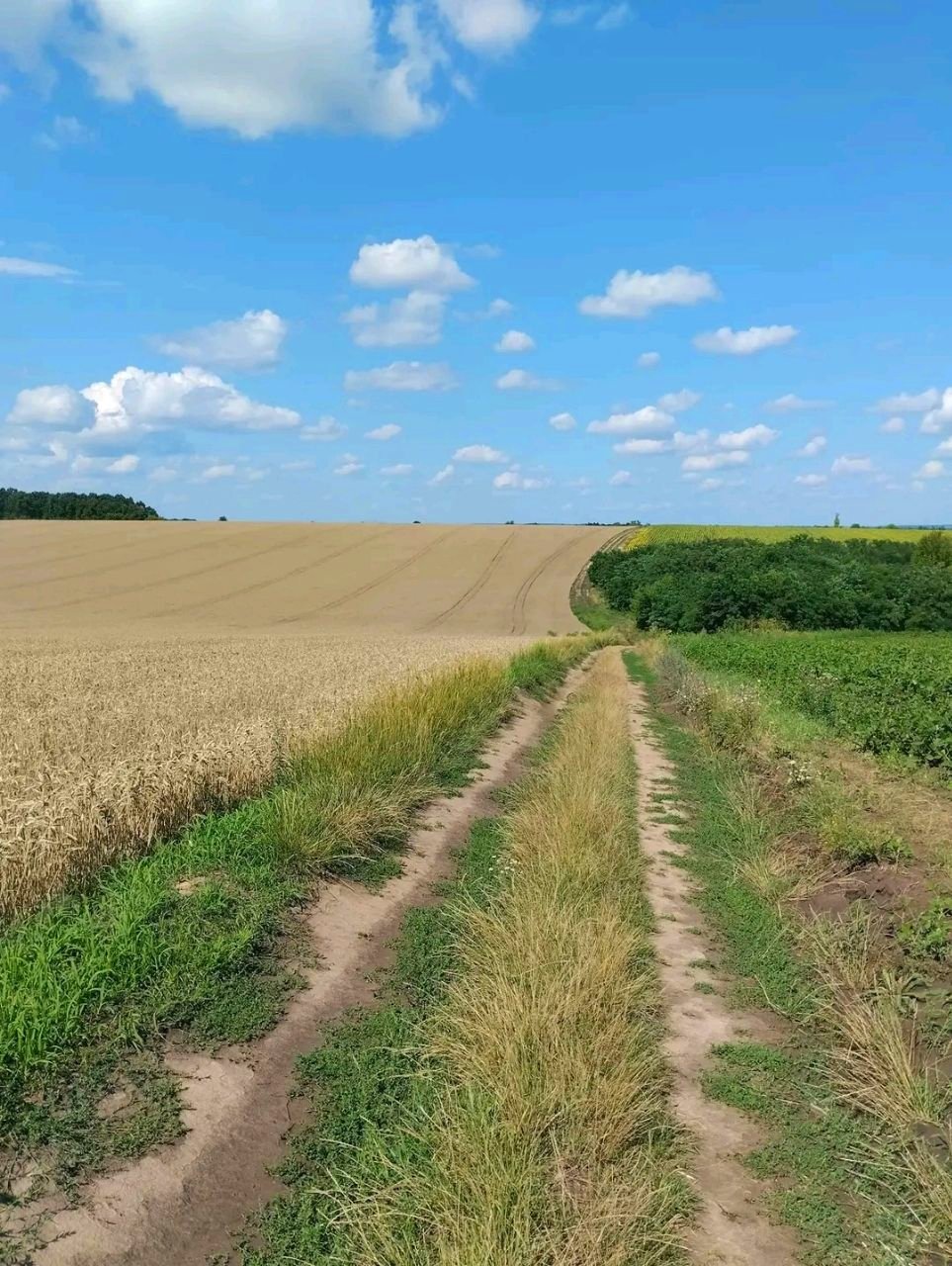
Властиво, він був у чудеснім настрої, як завжди по розмові з мужиками свого села. Йому було приємно, що він, старий генерал, якого сусіди вважали “червоним” і небезпечним, завжди лишався вірним собі. Як завжди, він і тепер, у сі тривожні часи, обстоював погляд, що земля має належать до тих, хто її обробляє. “Пора нам розстатися вже з пануванням”, — подумав Аркадій Петрович, защібаючи лівий манжет, і, прийнявшись за правий, згадав одразу, як гула радісно сходка, коли він поясняв їй права народу на землю.
Се завжди його хвилювало, і по розмові почував він бадьорість і апетит.
Заправляв саме сорочку в штани, коли рипнули двері і на нього кинулась Мишка — любимий песик, расовий фокстер’єрі
— Де ти, шельмо, була? — нагнувся до неї Аркадій Петрович. — Кажи, де ти, шельмо, була? — Він любовно лоскотав їй шию і вуха, а вона морщила носик, крутила обрубком хвоста і намагалась лизнути його лице. — Де ти віялась, негодяща?
У вікна било полудневе проміння, і видко було, як цілим морем плили кудись ще зелені ниви, дев’ятсот десятин панського поля, що спускалося часом у валку, а потім здіймалося знову, як хвиля.
Аркадій Петрович поклав гребенем борозни на рідкому волоссі, розчесав вуси, на кінчиках жовті, і довго любувався сухим високим чолом та благородним панським обличчям, що одбивалось в синявих водах туалетного дзеркала.
Сірі очі, трохи холодні і вже пригаслі, плавали на білках серед червоних жилок, і се його турбувало: “Треба знову класти примочку!” Збоку на носі він вгледів прищик, дістав з несесера кольдкрему, помазав й припудрив.
— Їсти!
Йому хотілося їсти, як молодому двадцятилітньому хлопцю, і се його радісно хвилювало. Як все заворушиться у домі, коли почують, що він голоден! Як заахав жінка, його стара дбайлива Соня, заметушиться Савка, і всі будуть дивитись йому у рот. Він так рідко апетит має…
Але Савка не йшов з докладом.
Аркадій Петрович одсунув шухляду комоди і вийняв звідти акуратно зложену блузу, вовняну, сіру, а Іа Толстой.
Приємно тремтячи освіженим тілом, просуваючи руки в рукави, він почував себе демократом, другом народу, який не має чого боятись. За той час, як він покинув своє міністерство та осівсь на селі, мужики його полюбили. Аякже! Він хрестив і вінчав, дарував спаш, уділяв ради, його кликали “татком” Він з приємністю думав про се і разом думав, що на обід будуть сьогодні молоді печериці, які Палажка несла уранці в приполі з городу.
І саме тоді Савка виставив в двері дві білих у рукавичках руки і ознайомив покірно, що подали обідать.
I hope you enjoy your reading:) If you want to continue you can download the complete book here: https://drive.google.com/file/d/1P9w6rzeybm9FSyPywMxcSYLJC_i6gE4w/view?usp=sharing
Меланхолійний вальс. VALSE MÉLANCOLIQUE
Ольга Кобилянська
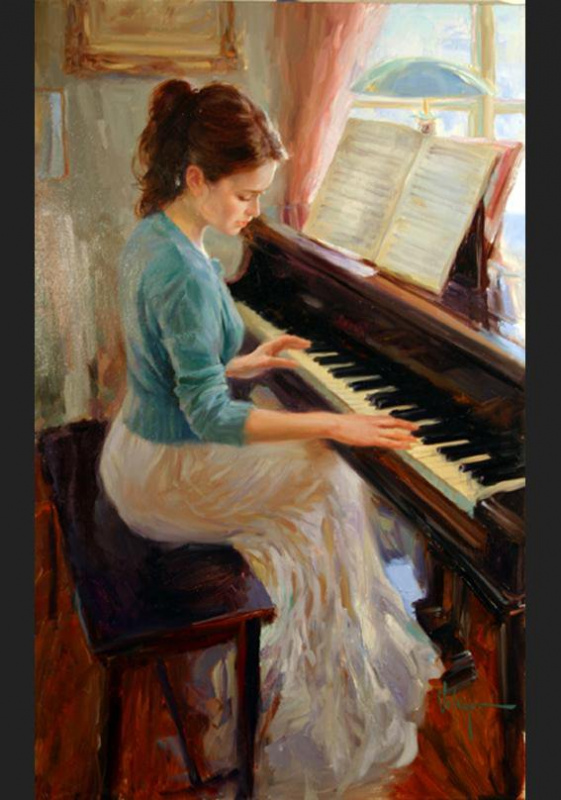
Не можу слухати меланхолійної музики.
А вже найменше такої, що приваблює зразу душу ясними, до танцю визиваючими граціозними звуками, а відтак, зрікаючися їх незамітно, ллється лиш одною широкою струєю смутку! Я розпадаюся тоді в чуття і не можу опертися настроєві сумному, мов креповий флер, якого позбутися мені не так легко. Зате, як пронесеться музика блиску, я подвійно живу.
Обнімала би тоді цілий світ, заявляючи далеко-широко, що музика грає!
І класичну музику люблю.
Навчила мене її розуміти й відгадувати по “мотивах”, одна з моїх товаришок, якої душа немов складалася з тонів і була сама олицетворена музика.
Вона вічно шукала гармонії.
В людях, в їх відчуванні, в їх відносинах до себе і до природи…
* * *
Нас мешкало разом три товаришки.
Зразу лише дві. Одна малярка і я. Була вже майже укінченою артисткою і працювала саме над одним образом, який хотіла продати і поїхати до Італії, щоб побачити тамошню штуку [2 – тобто мистецтво] та найти й собі дорогу до неї.
Мала двадцять і кілька років, була знімчена полька і брала своє заняття дуже поважно. Дразлива і химерна, коли малювала, була в щоденнім житті наймилішою людиною.
Тішилася великою симпатією межи своїми товаришками по заняттю, а навіть і самі професори, гострі подеколи до нечемності супроти своїх учеників і учениць, любили її по-батьківськи і робили їй свої закиди й уваги в найлагідніший спосіб, щоб лиш не діткнути її. “Dаs schönste Glückskind” [3 – що означає: найкраща улюблениця долі] — називали її, вона й сама не називала себе інакше як: “Ісh — das Glückskind”. [4 – тобто: «Я улюблениця долі» з німецької мови]
Я прилагоджувалась до матури [5 – тобто екзамену] бо хотіла бути учителькою.
Вчилася музики, і язиків, і прерізних робіт ручних, ба — і все інше, що лише можна було, забирала я в себе, щоб стало колись капіталом і обернулося в хосен. Маєтку я не мала, а життя, вибагливе, мов молода дівчина, жадало свого.
Знайомі з наймолодших літ, ми мешкали разом.
Мали дві великі кімнати, елегантно уряджені, майже з комфортом, бо моя товаришка була з доброї родини і, хоч не розпоряджала великими фондами, була претензіональна і розпещена. “Я не можу зрікатися всього так, як ти!” — говорила не раз роздразнено, коли я напоминала їй числитися ліпше з грішми і зрікатися деяких приємностей.
— Мовчала б ти! — лютилася.— Ти сього не розумієш. Я — артистка і живу відповідно артистичним законам, а ті вимагають трохи більше, як закони такої тіснопрограмової людини, як ти! Ти можеш обмежитися на своїм грунті, бо мусиш; він вузький, але моє поле широке, безмежне, і тому я живу таким життям. Тепер іще не вповні таким, але колись пізніше, як стану цілком своїм паном,— розмахну крилами під небеса. Так наказує чуття артистичне. Я беру все зі становища артизму. А й ти повинна звертатися за ним; усі, цілий загал. Коли б усі були артисти освічені і виховані, почавши від чуття аж до строю, не було б стільки погані й лиха на світі, як тепер, лиш сама гармонія й краса. А так? Що округ нас? Лише ми одні піддержуємо красу в житті, ми, артисти, вибрана горстка суспільності, розумієш?
— Розумію.
I hope you enjoy your reading:) If you want to continue you can download the complete book here for free:
https://drive.google.com/file/d/1r9Kg69W7-_3YPSaMPGNr1nDh5QmeXtzg/view?usp=sharing
SING AND LEARN!
Or learning by songs:)

Harmonizing Language Learning: The Melodic Magic of Learning Ukrainian Through Songs
Embarking on the journey of learning a foreign language often involves exploring diverse and engaging avenues. One such avenue, often overlooked, is the captivating world of music. Songs, with their melodic rhythm and lyrical poetry, prove to be not only an auditory delight but also a powerful tool for language acquisition. Let’s unravel the harmonious magic of learning a foreign language through songs.
**1. Memorable Vocabulary Acquisition:
Songs are linguistic tapestries woven with memorable phrases and expressions. By immersing oneself in the lyrics, learners effortlessly absorb vocabulary in context. The repetition of words within a melodic framework enhances memory retention, transforming the learning process into an enjoyable and memorable experience.
**2. Cultural Immersion and Contextual Understanding:
Songs are cultural ambassadors, offering insights into the traditions, sentiments, and colloquial expressions of a language. Learning through songs provides a contextual understanding of the language, allowing learners to grasp the intricacies of idioms, cultural references, and everyday expressions embedded in the lyrics.
**3. Natural Pronunciation and Intonation:
Listening to native speakers sing exposes learners to authentic pronunciation and intonation. The musicality of language in songs aids in replicating natural speech patterns, helping learners refine their accent and sound more native-like. Mimicking singers allows learners to internalize the rhythm and flow of the language.
**4. Enhanced Listening Skills:
Songs challenge learners to decipher words and phrases at the pace of the music. This dynamic listening exercise enhances auditory discrimination, sharpens listening skills, and trains the ear to understand spoken language in real-life contexts. The variety of musical genres provides exposure to different speaking speeds and accents.
**5. Vivid Storytelling and Grammar Exploration:
Songs often tell vivid stories, weaving narratives that captivate the listener. Through these narratives, learners explore grammatical structures, verb conjugations, and sentence formations in a more engaging and intuitive manner. The lyrical storytelling adds depth to language comprehension beyond mere textbook rules.
**6. Cognitive and Emotional Connection:
The emotional impact of music enhances the cognitive connection to language learning. Songs evoke feelings, and the emotional resonance aids in forming lasting memories of language elements. This emotional engagement contributes to a positive and enjoyable learning experience.
**7. Accessible Learning Anytime, Anywhere:
The melodic journey of learning a foreign language through songs is a harmonious adventure that transcends traditional methods. By embracing the lyrical magic, learners not only acquire linguistic skills but also immerse themselves in the cultural richness of the language. So, turn up the volume, let the music guide you, and embark on a serenading voyage to fluency. After all, in the symphony of language learning, every song is a lesson waiting to be sung.
This is one of my most favourite activities!:) Here I provide you with some of the examples\exercises on how you can learn through the songs:)
To get the best result make sure you follow the instructions:
1. Just listen to the song
2. Read the lyrics along with listening and try to recognize the words in the blanks (just the sound of the word), try to pronounce each of them, stop the song if you need to
3. Get the full text
4. Read the song aloud
5. Try to translate the song line by line or even word by word (don’t use the Google translate or existing translations to whole the song or long sentences, it might confuse you)
6. Try to memorize a song (or at least a part of it)
7. Sing the song! (Only if you wish to:)))
ОЙ ХОДИТЬ СОН КОЛО ВІКОН…
Квітка Цісик
Audio: https://www.youtube.com/watch?v=244aT2IIPR8
Lyrics:
Ой ходить …………. коло вікон,
А дрімота — коло плота.
Питається сон дрімоти:
— А де …………. ночувати?
— Де хатонька теплесенька,
Де ……………. малесенька,—
Туди підем ночувати,
І дитину колисати.
Ой на ………….. та воркота,
На дитину та й дрімота,
Котик буде воркотати,
Дитинонька буде спати.

Find a full text here: https://docs.google.com/document/d/1FUgZM266gvkzNkU1kHxO1-kHbprA_0zf/edit?usp=sharing&ouid=103877054294132383840&rtpof=true&sd=true
ХАЙ ЖИВЕ НАДІЯ
Ірина Білик
Audio: https://www.youtube.com/watch?v=MHzZMlRcS78

Мріє росточок явором стати,
…………….. маленька – в небі літати.
Вірить у диво кожна ………………..,
Вірить матуся в доньку і в сина!
Приспів:
Хай живе, хай живе надія!
Хай земля, хай земля радіє!
Хай печаль серце оминає
І ……………… всіх людей єднає!
Ночі вишневі в зоряній тиші,
…………….. блакитно жито колише.
Ми збережемо …………… єдину,
Рідну Вкраїну, славну родину!
Приспів.Х3
Хай живе, хай живе надія!
І добро всіх людей єднає!
Find a full text here:
https://docs.google.com/document/d/1iVLs2egLXTyM5ASS4M48irRUHxCSupS9/edit?usp=sharing&ouid=103877054294132383840&rtpof=true&sd=true
ОБІЙМИ…
Океан Ельзи (Святослав Вакарчук)
Audio: https://www.youtube.com/watch?v=–Wokwe4-i0
Коли настане день,
Закінчиться ………………,
Там загубив себе,
Побачив аж ……………….. дна.
Приспів:
Обійми мене, обійми мене, обійми
Так …………………… і не пускай.
Обійми мене, обійми мене, обійми
Твоя …………………. прийде нехай.
І от моя ………………
Складає зброю вниз,
Невже таки вона
Так хоче …………………. сліз?
Приспів
Обійми… Обійми мене.
Приспів:
Обійми мене, обійми мене, обійми
І більше так не відпускай.
Обійми мене, обійми мене, обійми
Твоя весна прийде нехай.


For more materials, tasks, lessons please contact me directly, I will be happy to help you:)